|
Caring for your tiresRegular maintenance is necessary to ensure its performance until the one you need to replace. As tire wear gradually increases, concerns about its performance degradation will deepen. If your vehicle loses control while turning or on slippery roads, or if the braking distance is too long, or if there is excessive shaking, it means you need to visit your dealer to resolve the issue. Perhaps it can be improved through repositioning, dynamic balancing, or positioning, or perhaps it's time to replace the tire with a new one. The following are some tips for tire maintenance that can be helpful for you to operate on your own or left to professionals
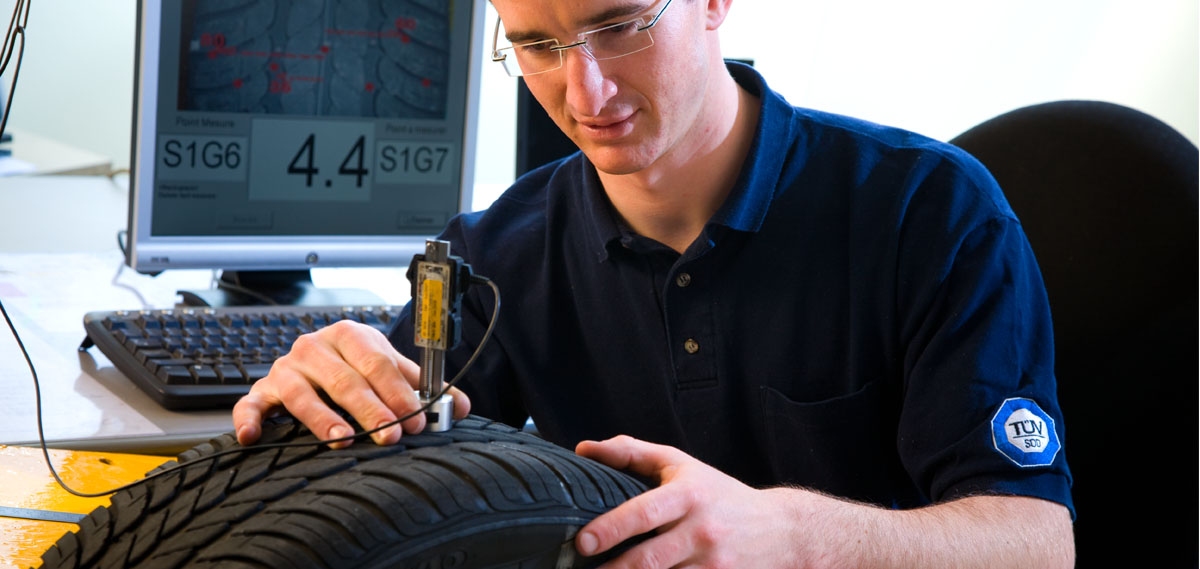
Maintain the correct tire pressure Develop the good habit of regularly checking tire pressure (every 2-4 weeks). Proper tire pressure can make your driving much safer and extend the lifespan of your tires. Regularly check tire pressure How to check tire pressure Buy a tire pressure gauge or use a tire pressure gauge from a tire store; *The priority is to check the tire pressure in the morning or when the tires are cool. The temperature of the tires will increase after the vehicle is driven, which will affect the value of tire pressure; Unscrew the valve cap and place the tire pressure gauge on the valve. It is normal to hear a brief hissing sound; Read the value of the pressure gauge and compare it with the recommended value of the vehicle (bar or psi); Adjust pressure or inflate at a tire store; Recheck the tire pressure with a pressure gauge and verify it with the manufacturer's parameters; Tighten the valve caps of each tire Make sure to check every tire, and if the tire pressure drops too much, ask the tire store for help in a timely manner. Inappropriate wheel rim installation or valve failure can cause slow air leakage. tire rotation To ensure even tire wear, rotate the tires every 10000-12000km or every 6 months Tire rotation helps to achieve uniform wear of all components. It even helps to extend the service life of tires and achieve balanced handling and traction. Regular tire rotation helps maintain smooth and steady vehicle handling. You can also change the tires every time you change the oil for the second time. Why do we need to change the tires? The tires at the front of the vehicle usually wear out faster than those at the back. If you frequently change their position, it will help them wear out more evenly and achieve a longer tread life. Remember that tire rotation cannot solve the problem of wear caused by uncomfortable tire pressure. How often should we switch positions? Whenever you change the oil for the second time (approximately every 10000-12000km), simply change the tire position. If you often drive at high speeds, transport heavy objects, or travel long distances, this additional pressure means you can switch positions slightly more frequently. If you notice any uneven wear, you should replace it as soon as possible. When you are driving on a flat road and they make a buzzing sound, it is also time to consider changing positions. Can I do tire rotation myself? Due to the importance of proper tire installation, we still recommend that you go to your agent or tire store for professional operation. But it's also quite easy for you to operate it yourself, and it helps you understand how it works without any special tools, just a little time and space. To obtain any advice from the vehicle manufacturer, it is essential to refer to the owner's manual provided by the manufacturer. We suggest that you rotate the tires according to the pattern shown in the following picture Only when all tire specifications are the same can they be interchanged (patterns A-D) Some vehicles are equipped with tires and wheels of different specifications on the front and rear axles. In this case, it is recommended to use pattern E (if tires without rotation direction requirements are installed). When changing the rotation direction of tires with tread patterns, observe the arrows molded on the sidewall at all times. These arrows indicate the direction of rotation of the tires that must be carefully followed. If these tires are of the same specification, follow pattern A for rotation. Using directional tires with different specifications or wheels with different offset values on the front and rear axles requires disassembling, installing, and rebalancing the tires for proper rotation - regularly check your owner's manual for any recommendations from the car manufacturer. Check the tread surface The condition of the tire tread is an indicator of the health of your vehicle. A professional inspection of all four tires can help diagnose potential issues. Tire inspection should be conducted at least once a month, as well as before and after long-distance travel. Discovered signals Tire surface wear indicator points display: These hard rubber wear indicator points are designed to appear when the tread of your tire is about to be ground. If these wear indicators appear, it indicates the need to buy a new tire. If you are unable to determine their location, you can see symbols on the sidewall indicating their position; Tire groove depth measurement for tread wear: The residual tread depth * should be between 2-3mm. *Buy an inexpensive groove depth gauge to check the tread pattern depth that meets the legal limit. Ensure that you measure the depth of both the outer and inner sides of the tread at the same time. Small objects stuck in the tread: It is common to see small objects stuck in the tread. If they are stuck in the groove, be careful to remove them to avoid damaging the tire; If it is a dot like object that looks like it has penetrated into rubber, such as a nail, do not touch it before taking it to the repair shop, otherwise it may cause the tire to lose tire pressure. Wear on the outer side of the tire: If you find that the shoulder patterns on both sides of your tire are worn, you may need to inflate or check for air leaks. The tire pressure will naturally decrease, but driving in a low gas state will increase fuel consumption and increase the risk of accidents. Ensure regular check of tire pressure. If you only notice shoulder wear on the front wheels, it may be due to serpentine driving or excessive turning speed. Excessive wear of tread: If the tread wears more than the shoulders of both tires, it may be due to excessive inflation pressure, which increases the risk of tire blowouts. Please refer to the manufacturer's regulations and use a pressure gauge to release air to the recommended tire pressure value set by the manufacturer. Uneven wear of a single tire: The pattern of tire surface wear will alert you to potential issues with the vehicle. If you find uneven wear or bald spots on the pattern pitch, you may need to perform dynamic balancing or positioning of the wheels. Sometimes bald spot like wear indicates that the shock absorber is worn, please consult a professional for assistance. Uneven wear in tire imprints: Your tires will not polish at the same speed. The front axle is responsible for the engine and most of the steering work, so the tires on the front axle will wear out faster. If they are found to wear out faster than normal, the suspension system should be checked. If the tire wear on one side of the vehicle is greater than that on the other side, positioning may be necessary. Pattern wear of jagged edges on tire edges: If you notice a jagged or feather like appearance along the edges of your tire, it may be due to unstable friction on the road. This may require positioning. replacement tires Regular inspection and maintenance of your tires will help extend their lifespan, but all tires will eventually wear out. The service life of tires varies. It depends on your driving habits, the climate in your place of residence, and how you maintain your tires. All polished or damaged tires always need to be replaced. Tire wear: Even maintenance cannot avoid the tread being worn down over time. Most tires have wear indicator points. These usually 1.6mm high indicator points indicate the maximum tread depth that can be safely driven. You should also check the uneven wear pattern of the tire tread to discover other possible issues with your tires or vehicle. Obvious damage: Please check the sidewall and tread for any damage. If you find small cracks on the sidewall - also known as "cracks" - it means it's time to replace the tire. The sidewall is not very thick, and damaged sidewalls may cause the tire to be unusable. You also need to check for bulges, bubbles, cuts, or cracks on the tread, shoulders, and sidewalls, which are clear signals that you need a new tire, even if the tire is not yet polished. When purchasing tire replacement, replace all four tires at once. If you only buy two, make sure they match the worn tires and are installed on the rear axle of the car, which will provide better traction and stability when you drive. |