|
How are tires producedHow are tires produced
There are many components that enter the production process of Goodyear tires, and they play an important role in ensuring that your vehicle achieves optimal performance and maintains your safety
Components of tires tire bead The tire bead is made of high-strength steel wire covered with rubber, which tightly integrates the tire with the wheel rim to form the wheel. BELT The steel belt is wrapped around the tire to enhance strength and provide stability, and is made of steel wire woven sheets covered with rubber. Sometimes aramid cords are also added to increase additional strength, puncture resistance, and durability. Curtain layer The ply is the skeleton of a tire made up of fibers, typically woven together with rubber covered fiber threads. This will make your tires more flexible. The ply, also known as the carcass ply, is directly placed on top of the inner lining of the tire, providing the strength of the tire. Sidewall This is the area where the thicker rubber component extends from the bead to the tread and provides lateral stability to the tire. Here you will find all the information on tire manufacturing. Knife groove patterns and grooves The tread pattern blocks are separated by deep grooves, which will allow your tires to drain water, snow, and mud. Knife groove pattern is a small groove engraved on the tread block, which provides additional grip, especially important on tires made for icy and snowy road conditions. tire shoulder The slightly inclined edge of the tread and sidewall joint on your tire. Its pattern and structure play an important role in your steering control. tread This is the part of your tire where the rubber contacts the road. The tread provides both cushioning and grip, and its pattern and formula determine most of the most important performance characteristics of your tire.
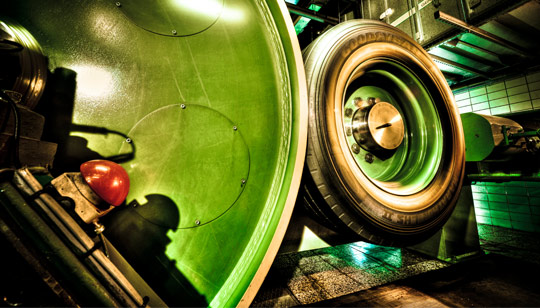
The manufacturing process of tires MIXING The rubber of your tire is mixed with up to 30 different raw materials, and the proportion of raw materials depends on the performance target of the tire. It is composed of various types of rubber, fillers, and other raw materials, which are mixed together in a giant mixer called the Banbury mixer to produce a black, viscous rubber material that will be used for rolling. rolling After the rubber is cooled, it is sent to a special open mill where it is cut into strips that will form the basic structure of the tire. At this stage, other components of the tire also need to be prepared, some of which need to be covered with another type of rubber. forming Assemble the tire itself from the inside out. Fiber woven objects, steel belt layers, tire beads, curtain layers, tread, and other components are placed in a tire forming machine to ensure that each component is in its precise position. The product that looks somewhat similar to the final product is called a live birth. sulfurization The process of pressing and curing a raw tire in a heated mold is known as vulcanization, where all tire components are pressed together and given the final shape of the tire, including its tread pattern and manufacturer's sidewall markings. |